5 Ways to Treat Achilles Tendon Injuries
Achilles tendon injuries affect the strong band connecting your calf muscles to your heel bone. They commonly cause pain, swelling, stiffness, or weakness after sports, overuse, or a sudden force. A podiatrist can determine whether the problem is tendinitis, tendinopathy, a partial tear, or a rupture and create a personalized recovery plan.
What causes Achilles tendon injuries?
The Achilles tendon absorbs significant force whenever you walk, run, jump, or climb stairs. Injury can develop gradually from repeated stress or happen suddenly when the tendon is overloaded. Common causes and risk factors include:
- Increasing exercise intensity or mileage too quickly
- Repetitive running, jumping, or court sports
- Tight calf muscles or limited ankle flexibility
- Unsupportive shoes or frequent training on hard surfaces
- Age-related tendon changes, previous injury, or certain medications
Some people develop symptoms without one clear event. This is often called Achilles tendinopathy, a condition involving tendon irritation and degeneration rather than simple inflammation. Prompt evaluation can help prevent a manageable problem from becoming a more serious tear.
What are the symptoms of an Achilles tendon injury?
Symptoms vary depending on the location and severity of the injury. Pain is often felt above the heel or along the back of the ankle. It may be worse during activity, first thing in the morning, or after sitting for a while.
Watch for these signs:
- Tenderness, warmth, or swelling along the tendon
- Stiffness that improves temporarily with movement
- Pain during running, jumping, or pushing off the foot
- A noticeable thickening or lump in the tendon
- A sudden popping sensation, severe pain, or difficulty walking
A sudden pop followed by an inability to push off, stand on your toes, or walk normally may indicate an Achilles rupture. This requires prompt medical attention. Do not attempt to “work through” severe pain or return to sports before an evaluation.
How is an Achilles tendon injury diagnosed?
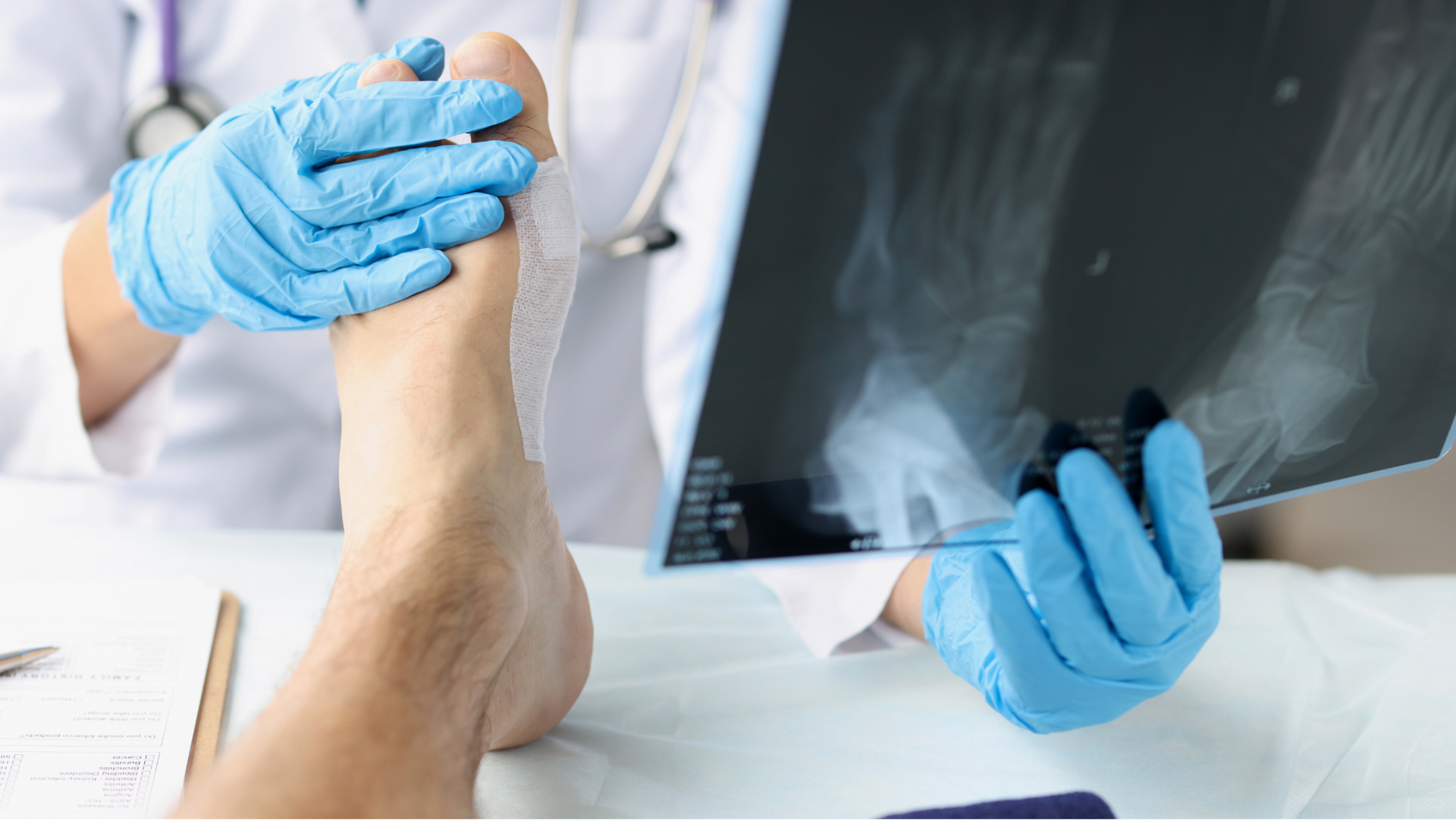
A podiatrist begins with your history and a physical examination. We ask when symptoms began, what activities affect them, and whether there was a sudden injury. We may gently assess swelling, tenderness, ankle motion, calf strength, and your ability to rise onto your toes.
Imaging is not always necessary, but an ultrasound or MRI may help identify tendon thickening, a partial tear, or a complete rupture. An accurate diagnosis matters because treatment for gradual tendon pain can differ from treatment for an acute tear.
At Lakeforest Foot & Ankle Center, our goal is to explain what is happening clearly and build care around your activity level, health history, and recovery goals. If your symptoms overlap with another tendon condition, our Tendonitis information can provide helpful background.
5 ways podiatrists treat Achilles tendon injuries
Treatment depends on the injury’s severity, your age and activity level, and whether the tendon is partially or completely torn. Many patients improve with nonsurgical care, while some ruptures require surgical consultation.
1. Activity modification and protection
The first step is usually reducing activities that trigger pain. This does not necessarily mean complete inactivity. Your provider may recommend temporarily replacing running or jumping with lower-impact exercise, such as cycling or swimming, if comfortable.
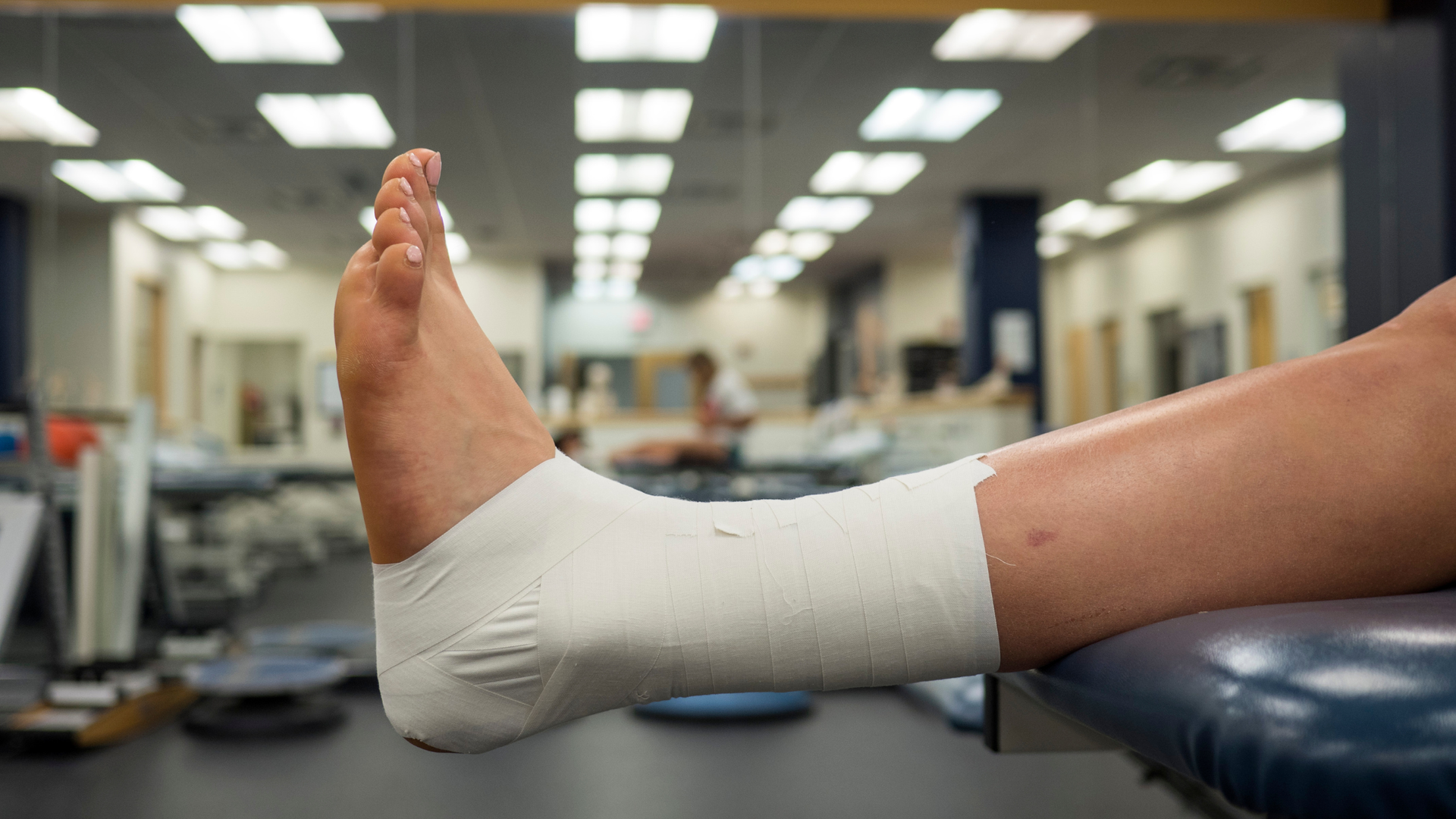
In some cases, a walking boot, heel lift, or temporary immobilization helps protect the tendon while symptoms settle. Use supportive footwear and avoid barefoot walking on hard surfaces when it increases discomfort.
2. Physical therapy and progressive exercise
A structured rehabilitation program can improve calf strength, ankle mobility, balance, and tendon tolerance. Exercises often progress gradually rather than starting with intense stretching or heavy loading. A therapist may introduce controlled calf raises, eccentric strengthening, flexibility work, and sport-specific drills.
The right pace is important. Mild muscle fatigue can be expected, but increasing pain, swelling, or next-day stiffness may mean the tendon is being overloaded. Your care team can adjust the program as healing progresses.
3. Medication and symptom management
Ice, rest breaks, and elevation may help manage short-term discomfort and swelling. A clinician may discuss whether an over-the-counter pain reliever is appropriate for you, considering your health history and other medications.
Medication may reduce symptoms, but it does not repair a damaged tendon or replace rehabilitation. Avoid self-treating persistent pain for weeks without an evaluation, especially if your activity is becoming limited.
4. Orthotics and footwear changes
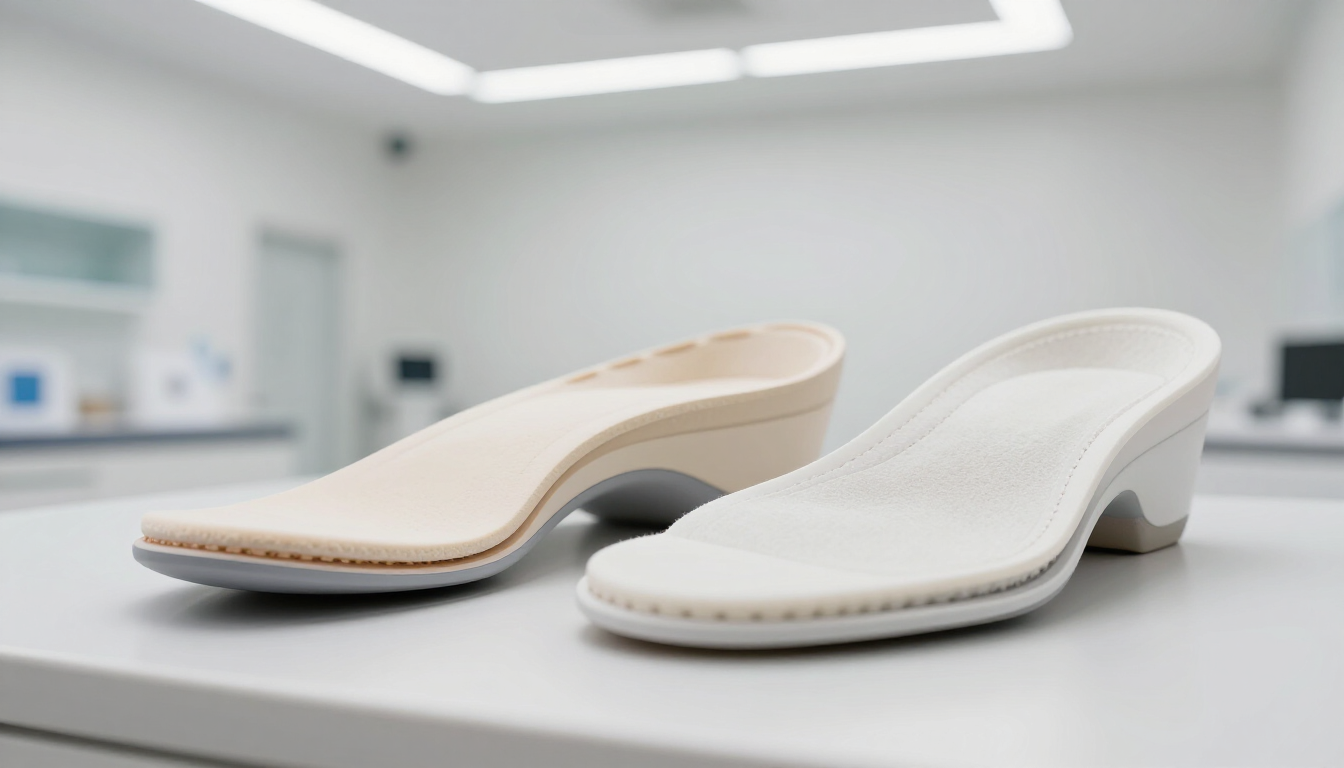
Custom orthotics, heel lifts, or supportive shoes may reduce strain on the Achilles tendon by improving foot alignment and controlling excessive motion. They can be particularly useful when arch mechanics, previous injuries, or uneven wear patterns contribute to repeated stress.
Orthotics are not a universal solution. A podiatrist should assess your foot structure and gait before recommending them. Learn more about related alignment concerns through our Arch Disorders page.
5. Advanced treatment or surgery when appropriate
Persistent symptoms, significant partial tears, and complete ruptures may require additional treatment. Depending on the diagnosis, options can include targeted procedures, immobilization, or referral for surgical repair. The appropriate choice depends on tendon damage, overall health, occupation, athletic goals, and timing.
Our Advanced Treatments & Technology page explains how modern diagnostic and treatment tools may support foot and ankle care. A thorough evaluation helps you understand benefits, limitations, and expected recovery before making a decision.
When should you see a podiatrist?
Schedule an evaluation if pain lasts more than a few days, keeps returning, or interferes with walking, work, exercise, or sleep. You should seek urgent care for a sudden pop, rapid swelling, bruising, severe pain, or an inability to push off the foot.
Early care can be especially important if you have diabetes, poor circulation, inflammatory arthritis, or a history of tendon problems. These factors may affect healing and change the safest treatment approach. If your discomfort follows a sports incident, our Athletic Injuries page offers additional information about injury-focused podiatry care.
How can you reduce your risk of another injury?
No prevention plan eliminates risk, but consistent habits can lower repeated strain:
- Increase training volume and intensity gradually.
- Warm up before vigorous activity and cool down afterward.
- Strengthen the calves and improve ankle mobility regularly.
- Replace worn shoes and choose footwear suited to your activity.
- Follow your rehabilitation plan even after pain improves.
Returning to sport should be based on strength, movement quality, and tendon tolerance—not pain alone. Your podiatrist or physical therapist can help establish milestones for a safer return.
Frequently asked questions about Achilles tendon injuries
Can Achilles tendon injuries heal without surgery?
Many cases of Achilles tendinopathy and some partial tears improve without surgery through activity modification, rehabilitation, supportive footwear, and close follow-up. A complete rupture or severe tear may require surgical evaluation. Diagnosis is essential before choosing a treatment path.
How long does Achilles tendon recovery take?
Recovery can range from several weeks to many months. Mild irritation may improve with early care, while a significant tear or surgical repair requires a longer, staged rehabilitation program. Your timeline depends on injury severity, general health, treatment consistency, and the demands of your daily activities.
Is walking good for an injured Achilles tendon?
Gentle walking may be appropriate for some mild injuries, but it should not increase pain, swelling, or limping. A boot or other protection may be needed for more serious damage. Ask a podiatrist how much weight-bearing is safe for your specific diagnosis.
Should you stretch an injured Achilles tendon?
Aggressive stretching can worsen some Achilles conditions, particularly when the tendon is highly irritated or torn. Mobility work should be gradual and matched to your diagnosis. A professional can show you when and how to stretch safely.
Can I keep exercising with Achilles pain?
Continuing the activity that causes pain can delay healing or increase damage. Consider lower-impact movement only if it is comfortable and approved for your condition. Stop if symptoms worsen during exercise or are more intense the following day.
Your next step toward recovery
Achilles tendon injuries are easier to manage when they are evaluated early and treated according to their severity. Persistent pain, stiffness, swelling, or weakness deserves professional attention, while a sudden pop or inability to push off requires prompt care. Lakeforest Foot & Ankle Center can assess the tendon, explain your options, and create a plan that supports comfort, mobility, and a safe return to activity. Start by contacting our office or learning more about our services .