


5 Reasons Custom Orthotics Save Your Sole in 2026

July 23, 2026

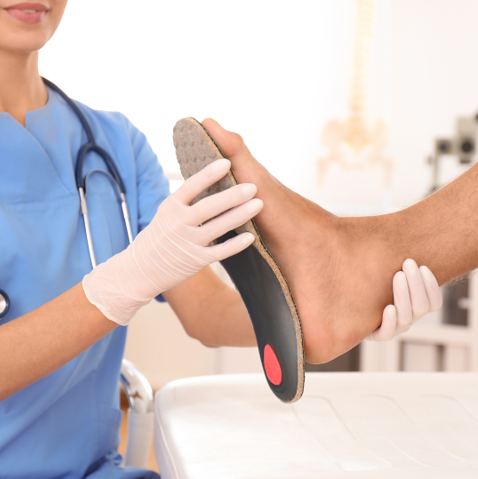
Custom orthotics are medical devices individually designed to support and comfort your feet. Unlike store-bought inserts, they are precision-crafted to your unique anatomy, correcting alignment issues and providing targeted cushioning to alleviate pain, prevent injuries, and improve mobility for people of every age and activity level.

What are custom orthotics and why do they matter?

If you have ever walked into a pharmacy and stood on one of those vibrating machines that tells you that you have “high arches” and then spits out a pair of gel inserts, you have experienced the “fast food” version of foot care. Custom orthotics, however, are the fine-dining, five-star experience your feet actually deserve. While those drugstore inserts provide a little extra squish, they do not address the structural mechanics of your feet.

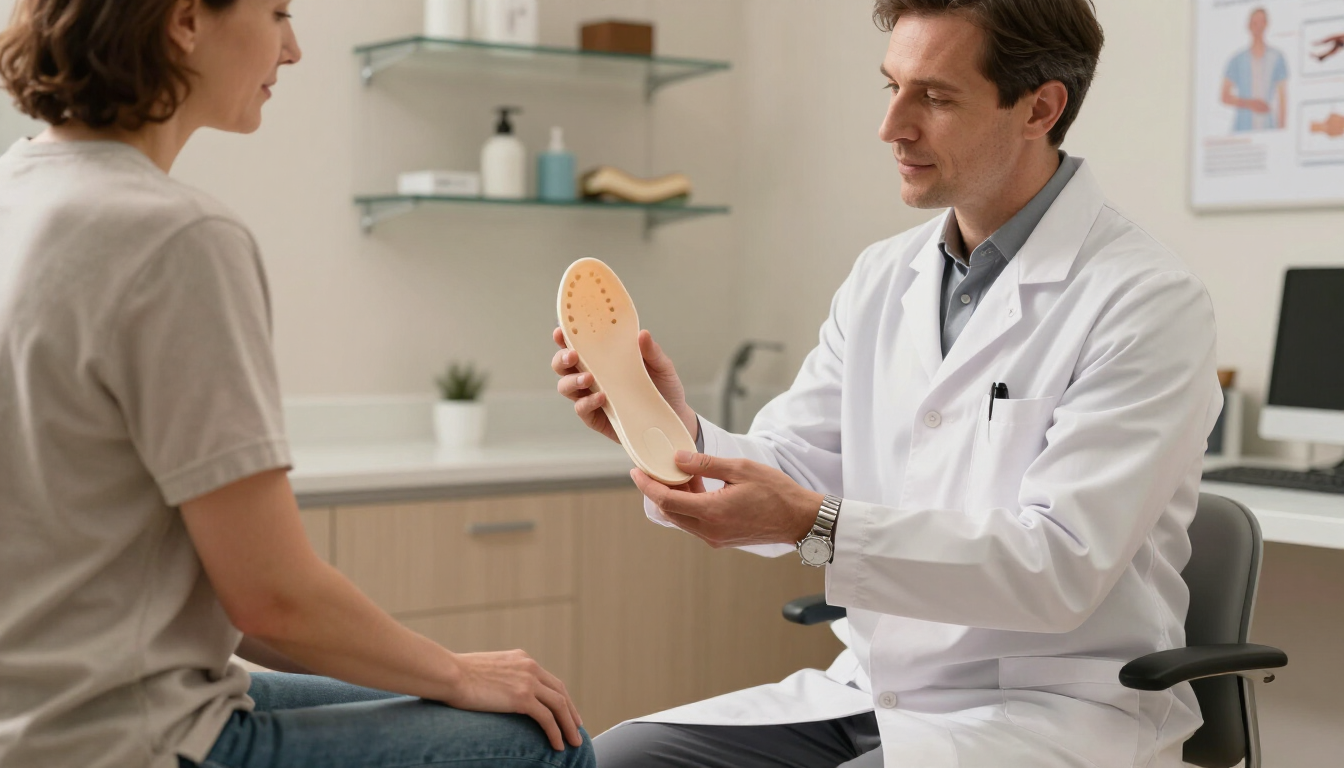
At Lakeforest Foot & Ankle Center, we look at your feet as the foundation of your entire skeletal structure. If the foundation is tilted, everything from your ankles to your lower back is going to feel the strain. Prescription orthotics are designed using advanced 3D scanning or molds to ensure they fit the exact contour of your foot. They aren't just for people with “bad feet”—they are for anyone who wants to move through life without feeling like they are walking on Legos.

Orthotic Scan Process

Why kids and teens need foot support too

You might think children are made of rubber and magic, but even the most resilient toddler can benefit from proper foot alignment. During growth spurts, the bones and tendons in a child’s foot are under immense pressure. If a child has severe flat feet or Arch Disorders , it can lead to more than just a funny gait; it can cause long-term structural issues that follow them into adulthood.

Think of it this way: you wouldn't let your kid walk around in shoes three sizes too big, so why let them walk with a mechanical disadvantage? Correcting issues early on can prevent the need for more invasive treatments later in life. Custom inserts for kids are often designed to be a bit more flexible to accommodate growth while still providing the necessary corrective support to keep them running, jumping, and generally being the high-energy humans they are.

How do I know if my child needs orthotics?

It is not always obvious when a child is struggling with foot mechanics. Kids often lack the vocabulary to say, "Mother, my medial longitudinal arch is collapsing." Instead, they might just complain of being tired or refuse to participate in sports. Here are five signs that it might be time for a podiatric evaluation:

  • They constantly trip over their own feet (more than the average kid).
  • They complain of leg or foot pain after minimal physical activity.
  • You notice uneven wear patterns on the soles of their shoes.
  • They have visible flat feet or very high, rigid arches.
  • They walk with an unusual gait, such as toe-walking or in-toeing.

The adulting phase: Keeping your feet from quitting

Being an adult is mostly just walking from one place to another while wondering why your lower back hurts. For many of us, the culprit isn't "getting old"—it is our feet. Whether you are a nurse pulling 12-hour shifts, a construction worker on concrete, or a corporate warrior in dress shoes, your feet are taking a beating.

By the time we reach our 30s and 40s, the fat pads on the bottom of our feet begin to thin out. This loss of natural cushioning, combined with years of gravity, can lead to conditions like Plantar Fasciitis . Custom orthotics act as a shock absorber and a structural stabilizer, redistributing pressure so that one specific spot (usually your heel) isn't doing all the heavy lifting. They are the secret weapon for anyone who wants to survive a trip to a theme park or a long workday without wanting to saw their feet off by 5:00 PM.

Can custom orthotics fix common adult foot pain?

Absolutely. While they aren't a "magic wand," they are the closest thing we have in podiatry. By realigning the foot, custom inserts can alleviate a surprising variety of pains. It isn't just about the feet; it is about the entire kinetic chain. When your feet are properly supported, your knees, hips, and lower back don't have to overcompensate for a faulty stride.

Custom orthotics are frequently used to treat and manage:

  • Bunions and the progression of joint deformity.
  • Heel Spurs caused by chronic tension on the plantar fascia.
  • Neuromas or pinched nerves in the ball of the foot.
  • Tendonitis resulting from repetitive strain.
  • General Joint Pain in the lower extremities.
Active Adult Running

Why athletes swear by prescription inserts

If you are an athlete, your feet are your most important piece of equipment. From weekend warriors to professional marathoners, the demand placed on the foot during sports is five to ten times your body weight. That is a lot of math, and even more pressure. Without proper alignment, you are essentially waiting for Athletic Injuries to happen.

Athletes use custom orthotics not just for pain relief, but for performance enhancement. When your foot is in the optimal position, your muscles work more efficiently. This means less fatigue, better balance, and more power behind every stride or jump. Furthermore, they help prevent common issues like shin splints and stress fractures by ensuring that impact forces are distributed evenly across the foot rather than being concentrated in one vulnerable area.

Golden years, golden feet: Orthotics for seniors

As we age, our feet change. Skin becomes thinner, joints can become stiff due to Arthritis , and balance can become a bit more precarious. For our senior patients in Maryland, custom orthotics are less about athletic performance and more about safety, stability, and quality of life. Maintaining mobility is the key to longevity, and you can't be mobile if every step feels like you are walking on hot coals.

For those managing Diabetic Foot Care , custom orthotics are actually a critical preventative tool. They can be designed with specialized materials to reduce friction and pressure points that might otherwise lead to Ulcerations . By providing a soft, supportive environment, these inserts help keep the skin intact and the feet healthy, which is vital for patients with decreased circulation or neuropathy.

Seniors walking in park

How long do custom orthotics actually last?

Unlike those drugstore versions that lose their shape after a few weeks of use, high-quality custom orthotics are built to last. However, they aren't immortal. The lifespan of your orthotics depends on how often you wear them, the activities you perform, and the materials used in their construction. On average, you can expect a pair of prescription inserts to last between two to five years.

We recommend a “shoe-tuning” every year or so. Just as you get your teeth cleaned or your oil changed, having your podiatrist check the wear and tear on your orthotics ensures they are still doing their job. If the top cover is worn or the shell has lost its rigidity, it might be time for a refurbishment or a new pair. Remember, your feet change over time, so the orthotics that worked for you five years ago might not be what you need today.

Summary of Orthotic Benefits

Custom orthotics are a versatile and essential tool for maintaining foot health across every stage of life. By providing personalized support that addresses your specific anatomical needs, these devices help reduce pain, prevent future injuries, and improve your overall quality of life. Whether you are managing a chronic condition or just looking to stay active and comfortable, the right pair of inserts can make all the difference.

Key Takeaways:

  • Custom orthotics provide medical-grade support tailored to your unique foot structure.
  • They are effective for all ages, from correcting childhood gait issues to improving senior balance.
  • They help treat conditions like Plantar Fasciitis , Arthritis , and Athletic Injuries .
  • Unlike over-the-counter inserts, they offer long-term durability and structural correction.
  • Regular evaluations at Lakeforest Foot & Ankle Center ensure your orthotics continue to provide optimal support as you age.

If your feet are tired of being tired, it might be time to see what custom orthotics can do for you. Your soles will thank you.

A collection of summer footwear on a sunny wooden deck.
June 18, 2026
Learn essential summer foot safety tips to prevent injuries, burns, and infections. Get expert podiatrist advice for staying active and pain-free in 2026.

By VIV Builder April 9, 2026
Stay active and pain-free this Foot Health Awareness Month. Learn about heel pain, orthotics, diabetic foot care, and sports injury treatment options.

By VIV Builder April 1, 2026
Achilles tendonitis can develop gradually, causing heel pain and stiffness that worsens over time. Learn the warning signs and how a podiatrist can help you get back on your feet.
By VIV Builder March 5, 2026
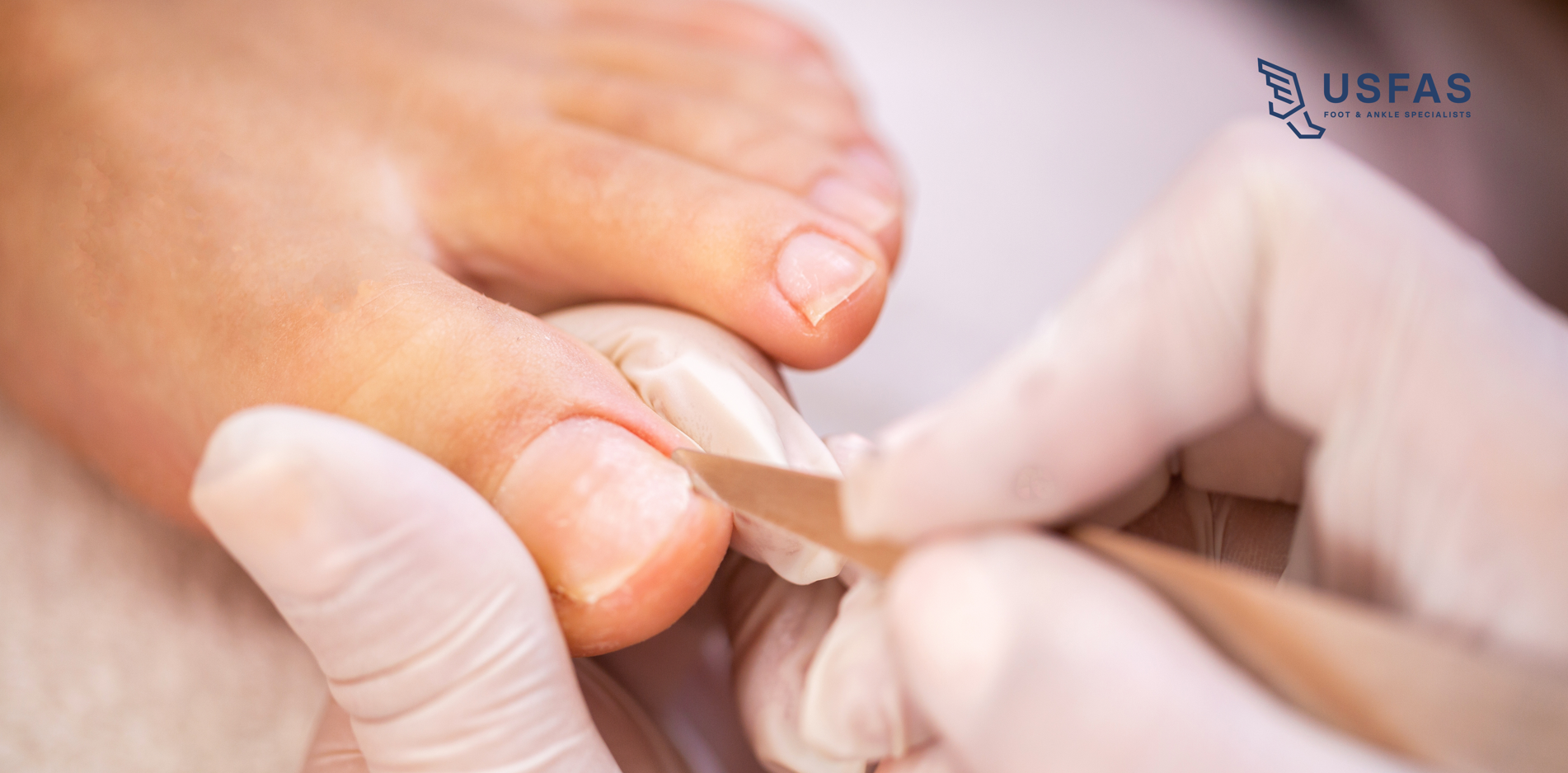
Ingrown toenails are a common foot condition that can start as a minor irritation and quickly become painful. Learn more about how we can help with ingrown toenails.
By VIV Builder February 19, 2026
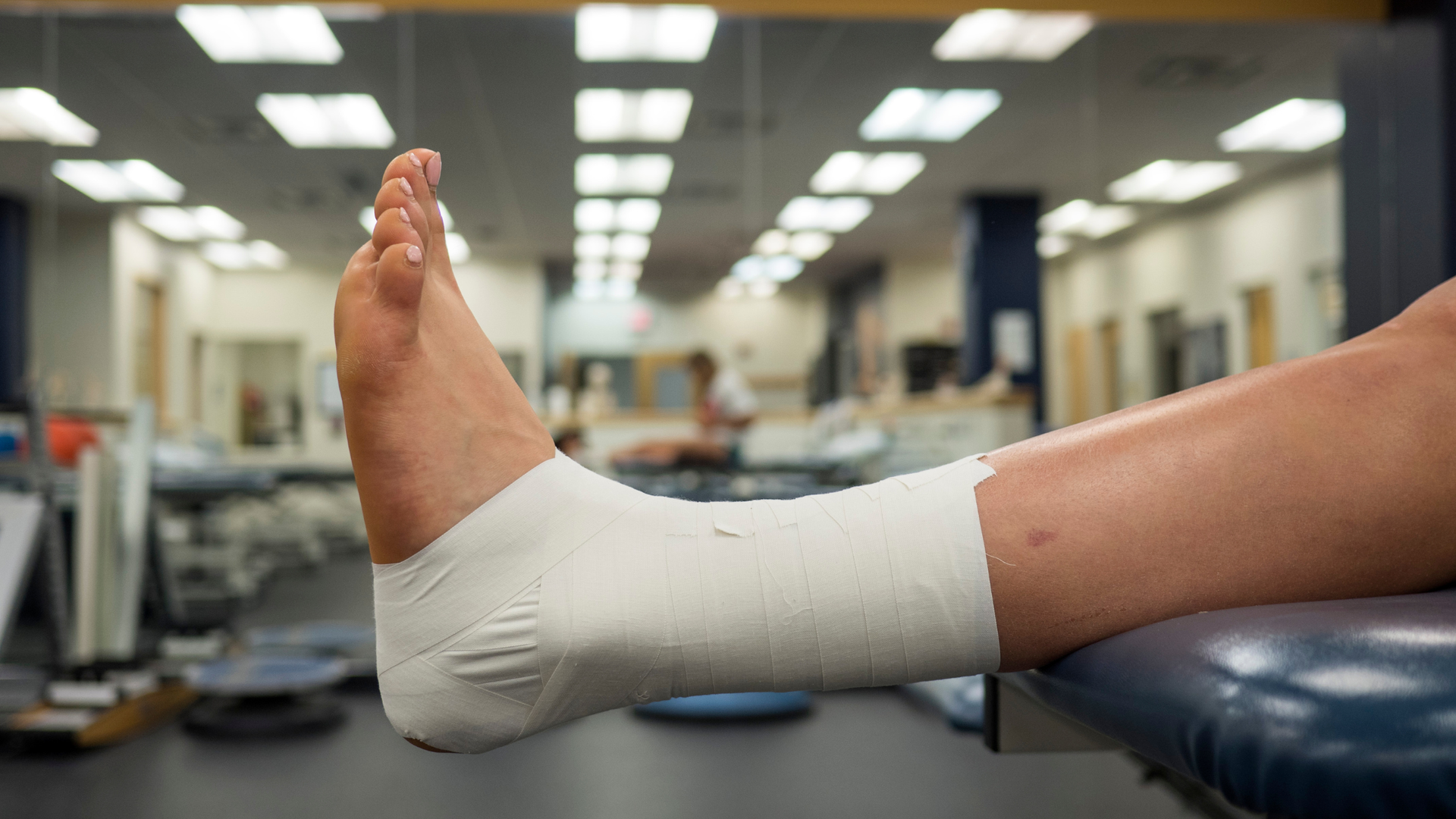
Ankle sprains are one of the most common foot and ankle injuries, yet they're often brushed off as no big deal. The truth is, even a mild sprain deserves proper care.
By VIV Builder February 5, 2026
Show Your Feet Some Love This February
By VIV Builder January 23, 2026
Understanding Podiatry Many people experience foot or ankle pain at some point, but they are not always sure where to turn for care. A podiatrist is a medical doctor who specializes in diagnosing and treating conditions of the foot and ankle. Their goal is to help patients move comfortably, stay active, and avoid pain that interferes with daily life. Podiatrists receive specialized medical training focused entirely on the feet and ankles. Because these areas support the entire body, even minor issues can have a big impact if left untreated. What Conditions Do Podiatrists Treat? Podiatrists treat a wide range of foot and ankle conditions for patients of all ages. From common concerns like heel pain and ingrown toenails to more complex issues such as sports injuries and diabetic foot conditions, podiatrists are trained to handle both routine and advanced care. They also address structural problems, skin and nail conditions, and injuries that affect mobility. By identifying the root cause of foot or ankle pain, podiatrists help patients find long-term relief rather than temporary fixes. When Should You See a Podiatrist? Foot pain is not something you have to live with. If you notice ongoing discomfort, changes in how you walk, or issues with your toenails or skin, it may be time to see a podiatrist. Early care can help prevent small problems from becoming more serious and can reduce recovery time. Patients with diabetes should also see a podiatrist regularly to help prevent complications and maintain foot health. What to Expect During Your Visit During a podiatry appointment, your provider will take time to understand your symptoms and lifestyle. They will examine your feet and ankles and may recommend imaging or other tests if needed. Based on their findings, they will create a personalized treatment plan tailored to your needs. Many podiatry treatments can be done in the office, allowing patients to return to normal activities quickly. Why Foot Health Matters Your feet play a major role in your overall health. Ongoing foot or ankle pain can lead to posture changes and strain on the knees, hips, and lower back. Proper foot care helps keep your entire body moving the way it should. Seeing a podiatrist is an important step in maintaining mobility and preventing future problems. Take the Next Step Toward Better Foot Health If foot or ankle pain is affecting your daily life, a podiatrist can help. With the right care and treatment, many conditions can be managed or resolved. Scheduling an appointment with a podiatrist is a simple step that can make a lasting difference in your comfort and mobility.

By VIV Builder January 9, 2026
December 4, 2025
December is the season of giving, and there’s no better gift than comfort. If you’re looking for something meaningful, helpful, and long-lasting, custom orthotics are a great choice. They support the feet, improve balance, and make everyday activities easier and more comfortable.

Show More