
Preventing Foot Injuries in Athletes
October 25, 2024
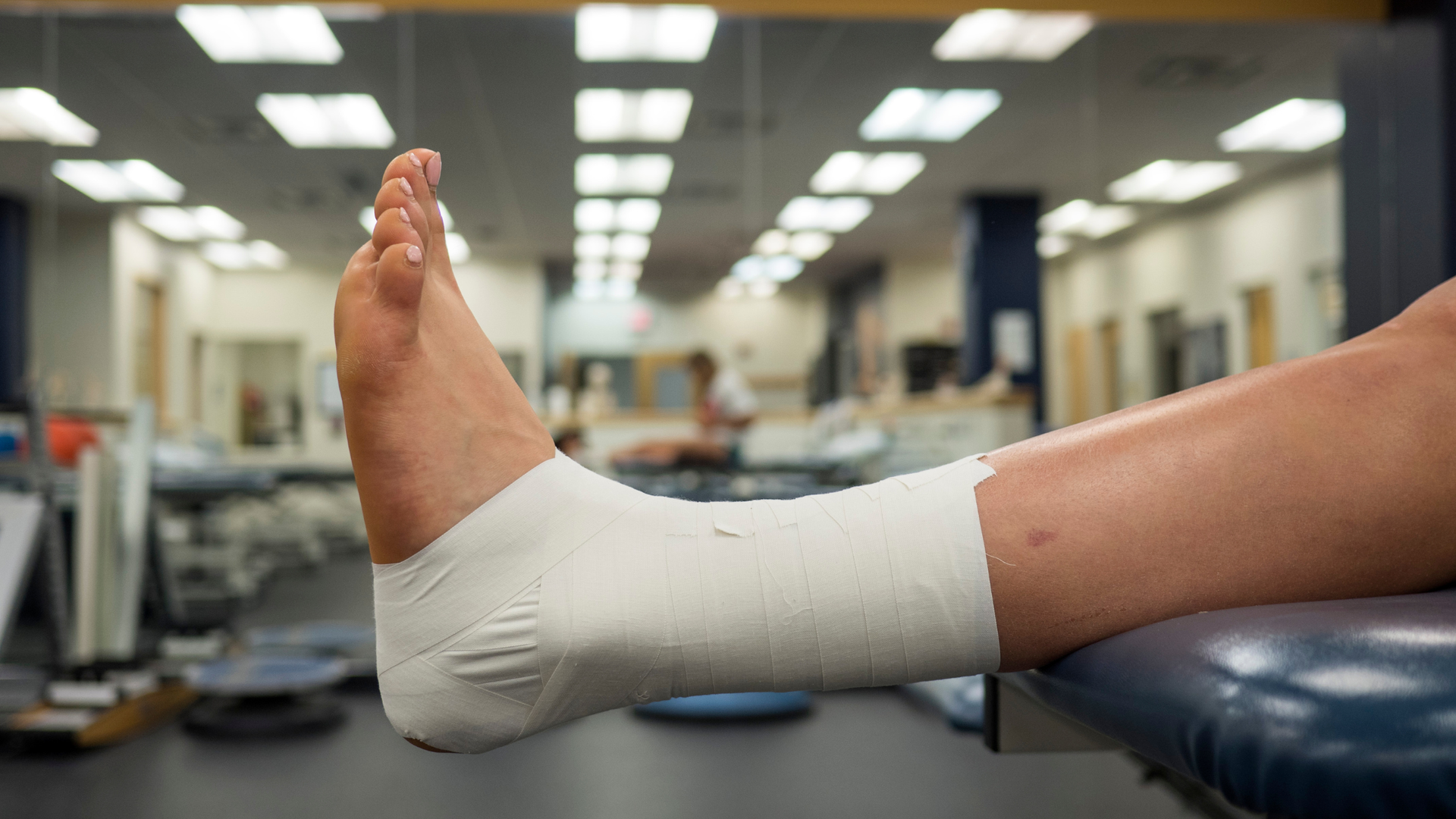
Foot injuries are common among athletes due to the high-stress levels and impact their feet endure during training and competition. Whether you’re a runner, soccer player, or basketball enthusiast, your feet are vital to your performance and overall mobility. Preventing foot injuries is crucial for staying active and avoiding time on the sidelines. When you care for your feet, you can also ensure that your performance is enhanced and that you play to the best of your abilities.
One of the most important steps in preventing foot injuries is wearing the right shoes for your sport. Different activities place different demands on your feet, so it’s important to choose footwear that offers the necessary support and protection. Make sure to select shoes that are tailored to your specific activity. Shoes that are too tight or too loose can lead to blisters, toenail injuries, and other foot problems. Ensure your shoes fit well, leaving enough room for your toes to move without rubbing.
A proper warm-up is essential for preparing your muscles, tendons, and ligaments for the physical demands of your sport. Stretching exercises can increase flexibility, improve circulation, and reduce the risk of foot injuries. Perform dynamic stretches that target the calves, Achilles tendon, and feet. This can include leg swings, heel raises, and ankle circles to loosen up the muscles and joints in the lower body.
Many foot injuries occur due to overuse or a sudden increase in training intensity. Avoid pushing your body too hard or too fast by gradually increasing the duration, intensity, or frequency of your workouts. Use a structured training plan that allows for gradual progression, ensuring your feet have time to adapt to increased demands.
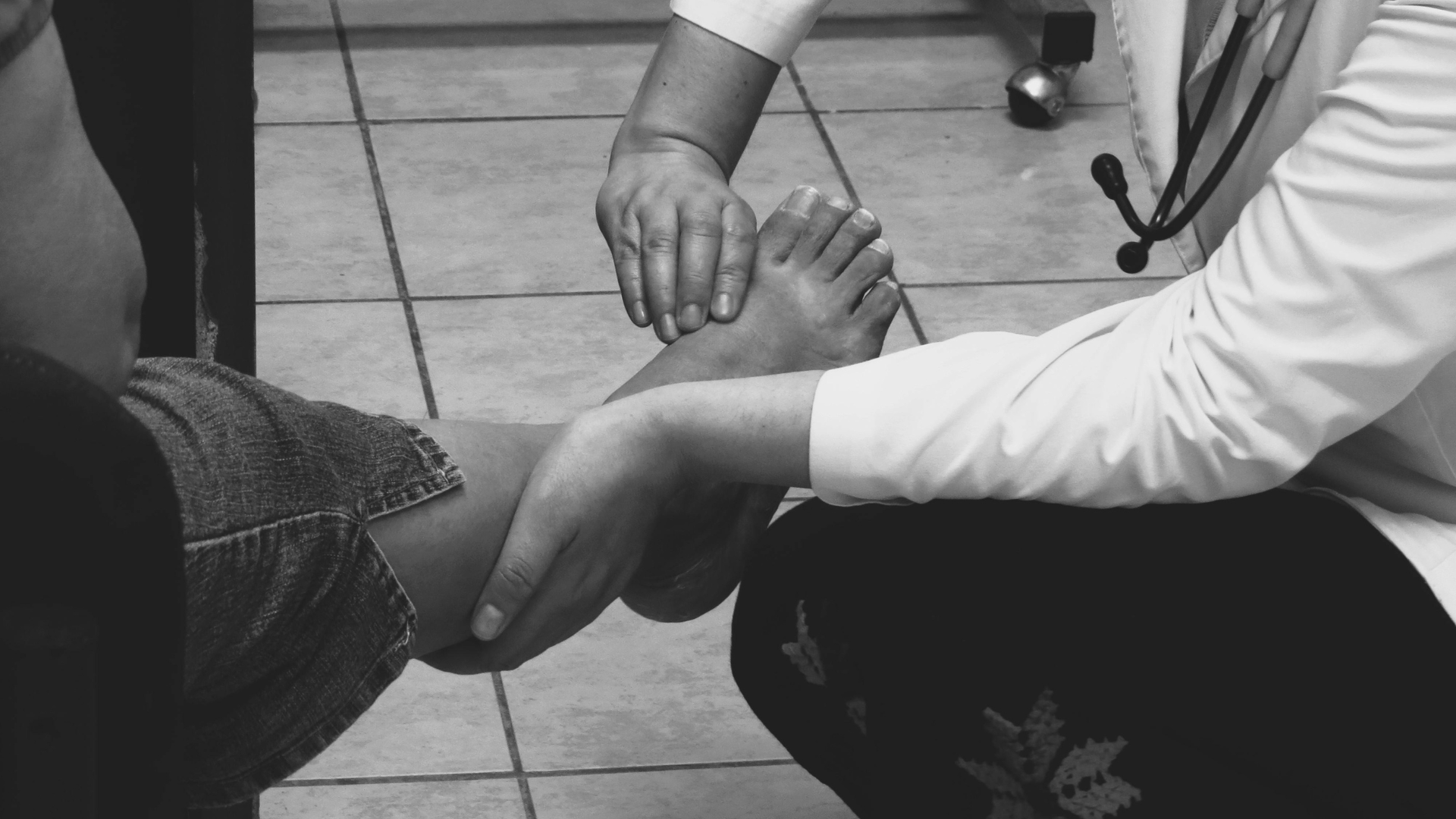
One of the best ways to prevent foot injuries is to pay attention to early warning signs, such as soreness, discomfort, or swelling in the feet. Ignoring these signals can lead to more serious injuries down the line. If you notice pain or discomfort in your feet, address it immediately by resting, applying ice, or using over-the-counter pain relievers. If symptoms persist, consult your podiatrist for a thorough evaluation.
Protecting Athletic Feet
As an athlete, you spend a lot of time on your feet, and it’s important to understand how to protect yourself from injuries. Taking the time to care for your feet reduces your risk of injury and allows you more time to play your favorite sport!One of the most important steps in preventing foot injuries is wearing the right shoes for your sport. Different activities place different demands on your feet, so it’s important to choose footwear that offers the necessary support and protection. Make sure to select shoes that are tailored to your specific activity. Shoes that are too tight or too loose can lead to blisters, toenail injuries, and other foot problems. Ensure your shoes fit well, leaving enough room for your toes to move without rubbing.
A proper warm-up is essential for preparing your muscles, tendons, and ligaments for the physical demands of your sport. Stretching exercises can increase flexibility, improve circulation, and reduce the risk of foot injuries. Perform dynamic stretches that target the calves, Achilles tendon, and feet. This can include leg swings, heel raises, and ankle circles to loosen up the muscles and joints in the lower body.
Many foot injuries occur due to overuse or a sudden increase in training intensity. Avoid pushing your body too hard or too fast by gradually increasing the duration, intensity, or frequency of your workouts. Use a structured training plan that allows for gradual progression, ensuring your feet have time to adapt to increased demands.
One of the best ways to prevent foot injuries is to pay attention to early warning signs, such as soreness, discomfort, or swelling in the feet. Ignoring these signals can lead to more serious injuries down the line. If you notice pain or discomfort in your feet, address it immediately by resting, applying ice, or using over-the-counter pain relievers. If symptoms persist, consult your podiatrist for a thorough evaluation.
Contact Our Podiatrist Today
Make sure your feet are protected and ready for activity! Contact your podiatrist to learn more about caring for your feet as an athlete.
By VIV Builder
•
January 23, 2026
Understanding Podiatry Many people experience foot or ankle pain at some point, but they are not always sure where to turn for care. A podiatrist is a medical doctor who specializes in diagnosing and treating conditions of the foot and ankle. Their goal is to help patients move comfortably, stay active, and avoid pain that interferes with daily life. Podiatrists receive specialized medical training focused entirely on the feet and ankles. Because these areas support the entire body, even minor issues can have a big impact if left untreated. What Conditions Do Podiatrists Treat? Podiatrists treat a wide range of foot and ankle conditions for patients of all ages. From common concerns like heel pain and ingrown toenails to more complex issues such as sports injuries and diabetic foot conditions, podiatrists are trained to handle both routine and advanced care. They also address structural problems, skin and nail conditions, and injuries that affect mobility. By identifying the root cause of foot or ankle pain, podiatrists help patients find long-term relief rather than temporary fixes. When Should You See a Podiatrist? Foot pain is not something you have to live with. If you notice ongoing discomfort, changes in how you walk, or issues with your toenails or skin, it may be time to see a podiatrist. Early care can help prevent small problems from becoming more serious and can reduce recovery time. Patients with diabetes should also see a podiatrist regularly to help prevent complications and maintain foot health. What to Expect During Your Visit During a podiatry appointment, your provider will take time to understand your symptoms and lifestyle. They will examine your feet and ankles and may recommend imaging or other tests if needed. Based on their findings, they will create a personalized treatment plan tailored to your needs. Many podiatry treatments can be done in the office, allowing patients to return to normal activities quickly. Why Foot Health Matters Your feet play a major role in your overall health. Ongoing foot or ankle pain can lead to posture changes and strain on the knees, hips, and lower back. Proper foot care helps keep your entire body moving the way it should. Seeing a podiatrist is an important step in maintaining mobility and preventing future problems. Take the Next Step Toward Better Foot Health If foot or ankle pain is affecting your daily life, a podiatrist can help. With the right care and treatment, many conditions can be managed or resolved. Scheduling an appointment with a podiatrist is a simple step that can make a lasting difference in your comfort and mobility.


November 7, 2025
November marks National Diabetes Awareness Month , a time dedicated to raising awareness, supporting those affected, and sharing ways to live healthier with diabetes. With diabetes impacting millions of Americans, proactive foot care remains one of the most important—and often overlooked—parts of diabetes management. Why Foot Health Matters Diabetes can affect the feet in several ways, and early prevention is key. High blood sugar levels may lead to: Nerve damage (neuropathy) that causes numbness, tingling, or loss of sensation Reduced blood flow , slowing the healing process Higher risk of infections, wounds, and ulcers , which can become serious if left untreated Healthy, routine foot care can help prevent complications and support mobility, comfort, and long-term wellness. How Our Podiatry Team Supports Diabetic Foot Health We provide comprehensive diabetic foot care to protect, prevent, and treat foot-related concerns, including: Routine Diabetic Foot Exams Early detection and intervention to address concerns before they become more serious. Custom Orthotics Personalized support to improve balance, relieve pressure points, and enhance walking comfort. Advanced Wound Care Specialized treatment plans for wounds, ulcers, or injuries to promote faster healing and reduce risks. Footwear Guidance Recommendations for proper shoes and inserts designed to prevent irritation, friction, and injury. We’re Here to Help You Stay Healthy Caring for your feet is an essential part of staying active, independent, and healthy with diabetes. Whether you have questions about preventive care, footwear, or treatment options, our podiatrists are here to guide and support you every step of the way. This month is a great time to schedule a diabetic foot check or talk with us about ways to keep your feet protected year-round. Together, we can work toward better foot health and a healthier life with diabetes.